How to Draw Anime Shadows with All-Purpose Shadow Colors: A Step-by-Step Guide by Japanese Pro Artists
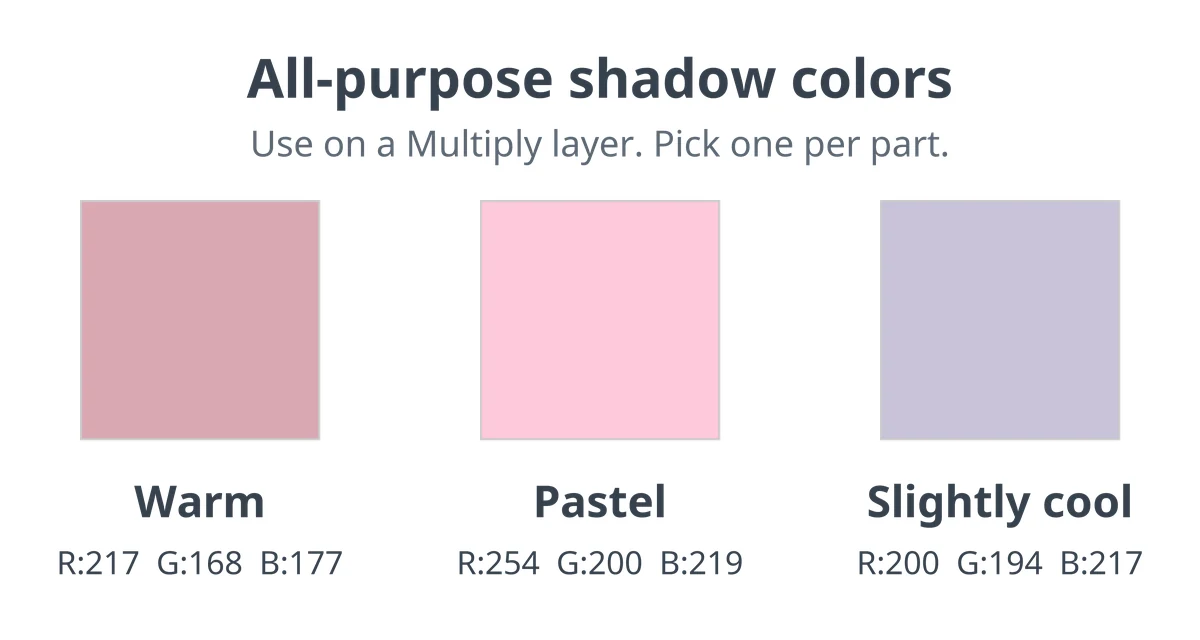
Picking a separate shadow color for every part, then checking how each one looks next to its neighbors, is a lot of guesswork. All-purpose shadow colors are the shortcut: three light colors you paint on a Multiply layer. Each one blends with almost any base color. You still choose which of the three goes on each part. Here's what each one gets along with, and how to mix them on one character.
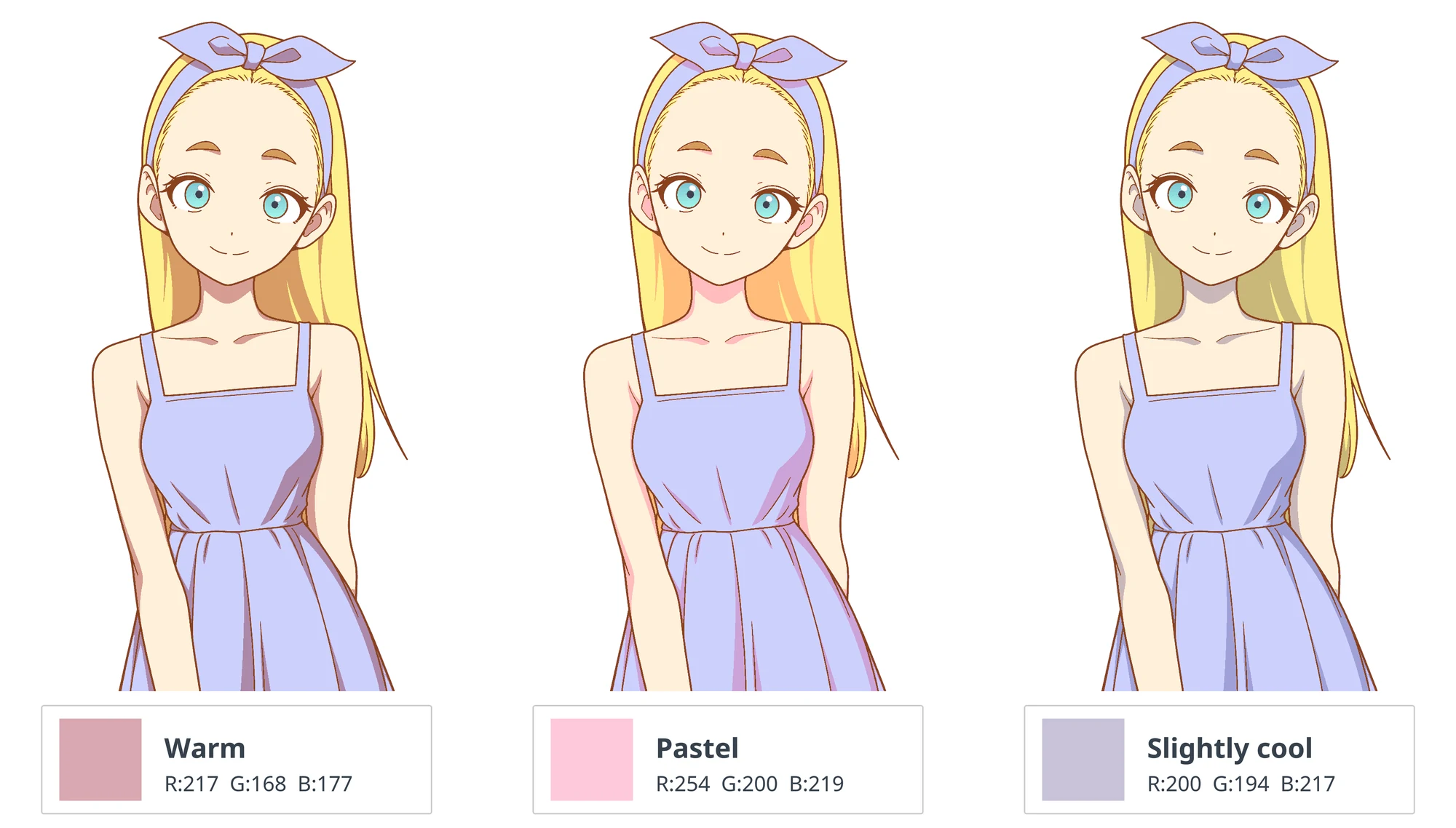 Illustrated examples
The three steps at a glance
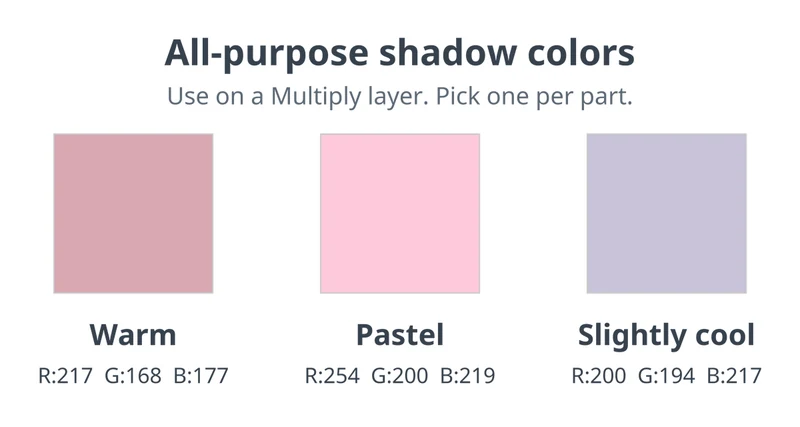 01
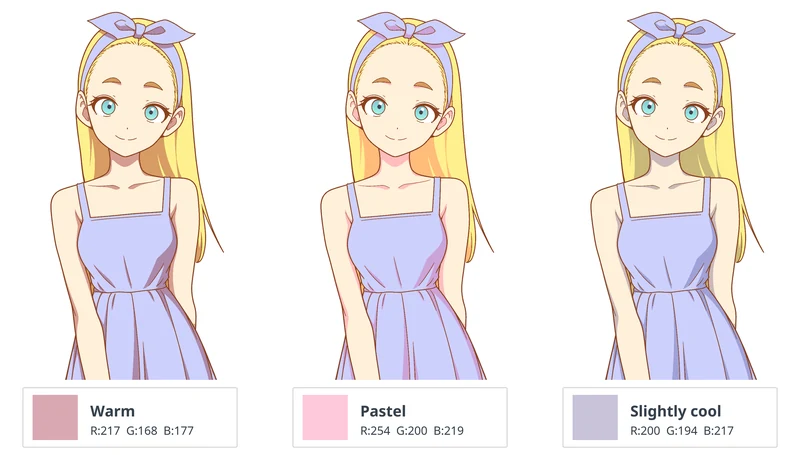 02
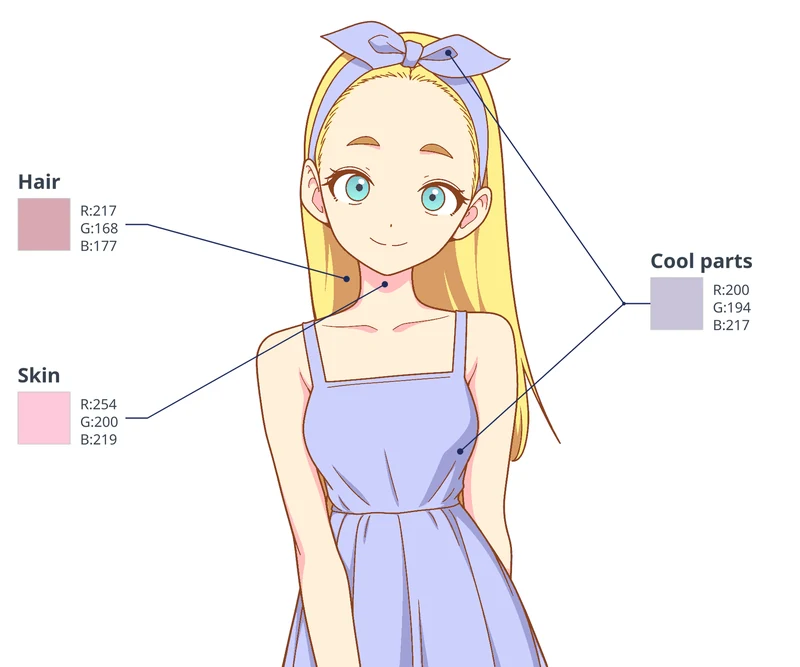 03
Step 01 · All-purpose shadow colors
What are all-purpose shadow colors?
Light shadow colors you paint on a Multiply layer, so they darken whatever base color sits underneath.The other way to shade is to choose a separate shadow color for every base color, and keep checking how each one looks next to the colors around it. A darker yellow for the hair, a darker beige for the skin, a darker lilac for the dress. It works. It's also a lot of decisions.
All-purpose shadow colors skip most of that. Make a new layer above your flat colors, set its blend mode to Multiply, and paint the shadow shapes with a light shadow color. Multiply mixes the layer with the colors below it, so the same warm, dusty-pink shadow turns golden brown on yellow hair and rosy brown on skin. These colors blend with almost any base color, which makes them a fairly safe way to shade.
There are three of them, though, and you still pick one for each part. Step 02 shows what each color suits, and Step 03 shows how to split them across one character.
About the numbers: you don't have to hit them exactly. They're a starting point. A color close to them is fine too.
Step 02 · Three shadow colors
Which base colors does each shadow color suit?
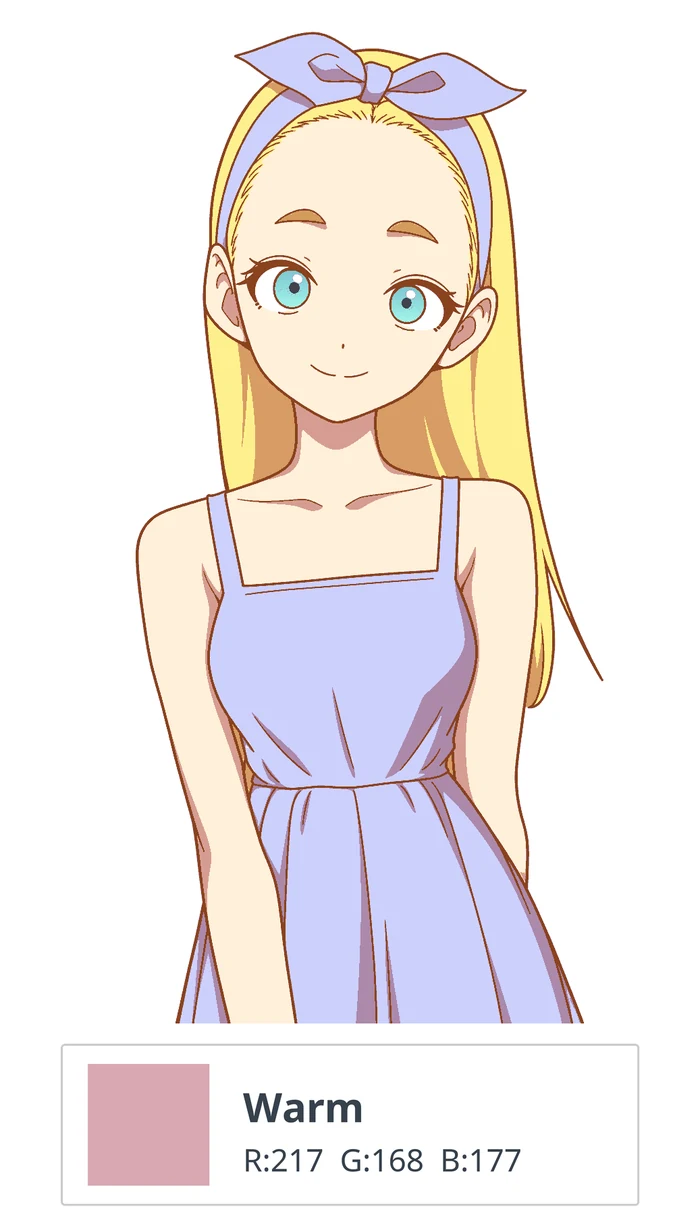
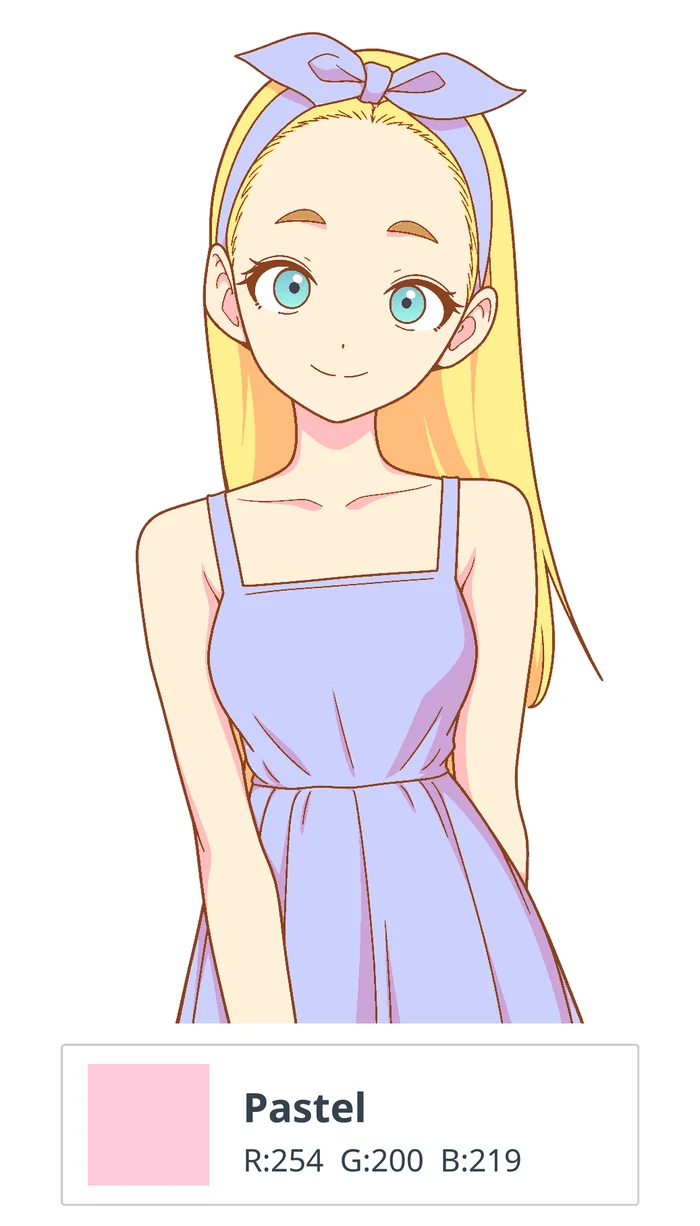
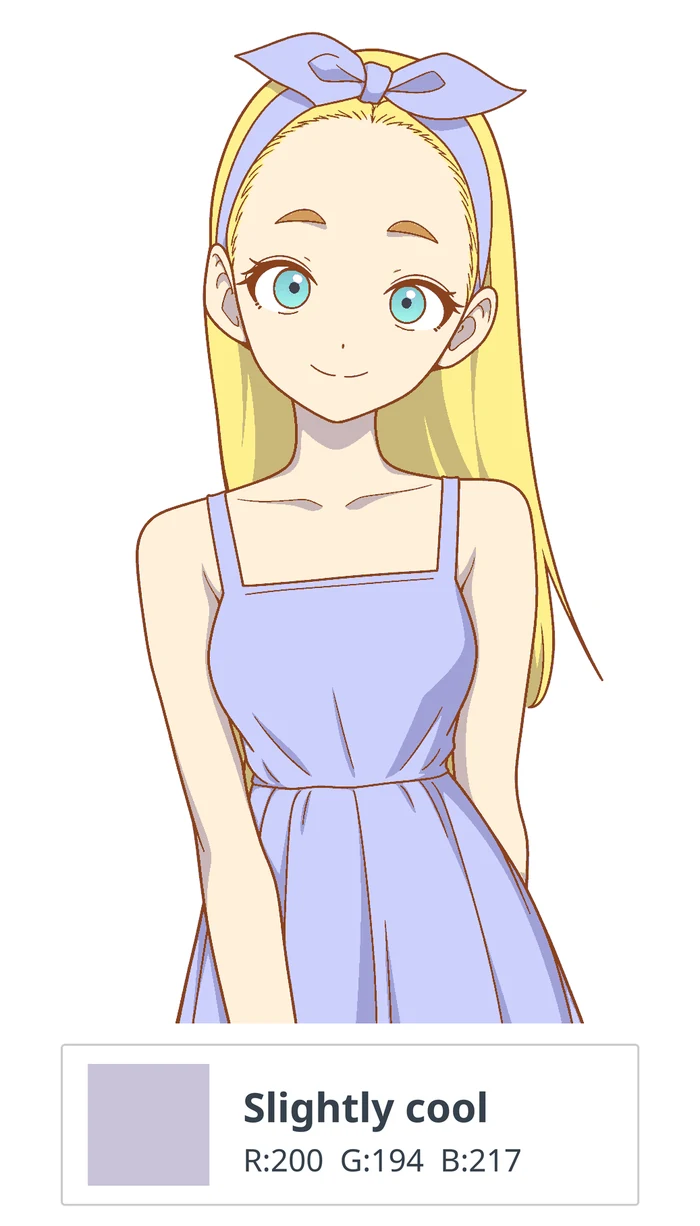
All three blend in on almost any base color, but each one looks best on some colors and can clash with others.Below, all three go on the same girl. The lines, flat colors and shadow shapes never change, so any difference you see comes from the shadow color alone. Start with the hair: warm makes it golden brown, pastel pushes it orange, slightly cool drags it toward olive.
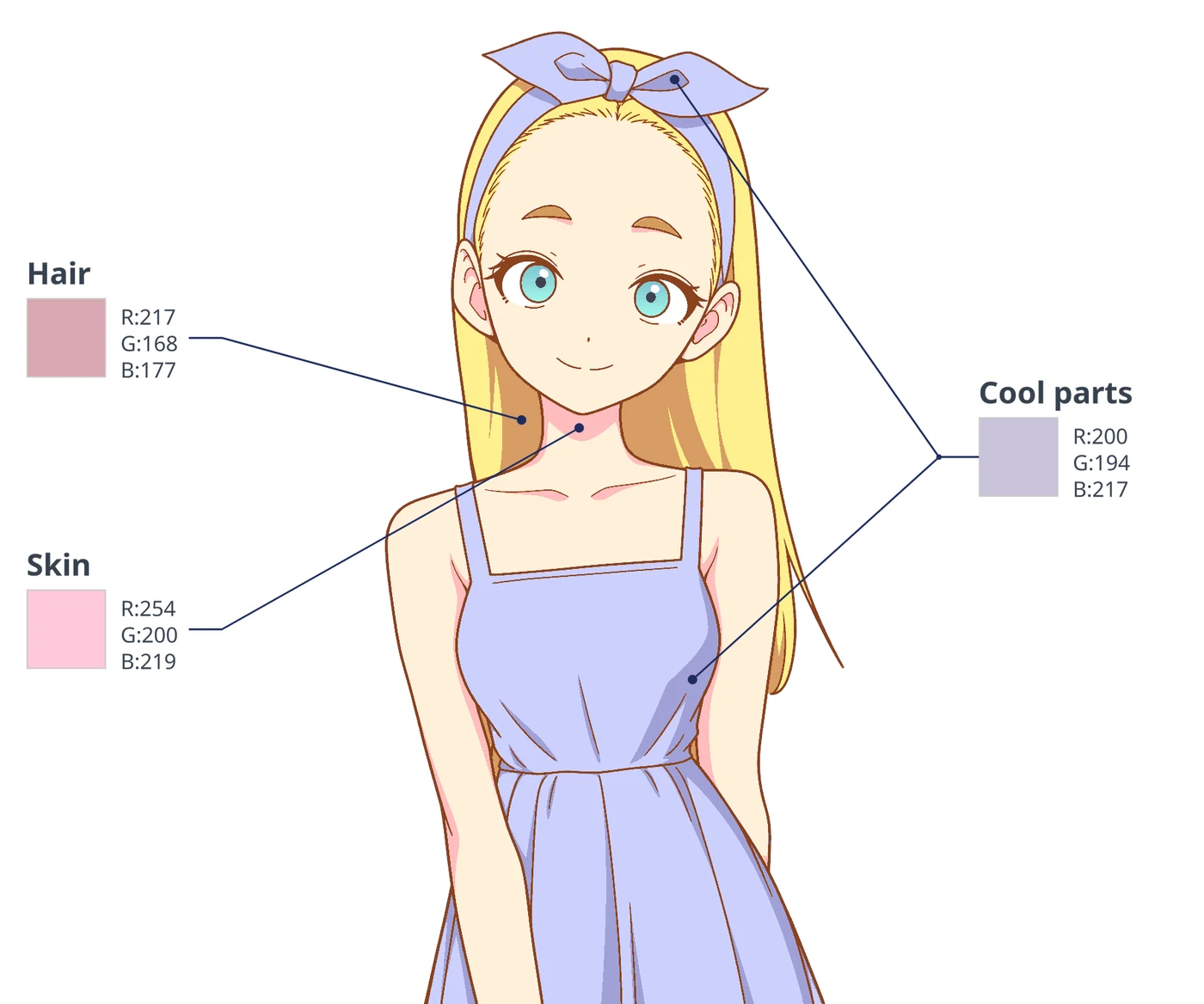
- Warm (R:217 G:168 B:177): gives the whole picture a warm, cozy feel. It doesn't get along with cool colors.
- Pastel (R:254 G:200 B:219): works with warm and cool colors alike. It's fairly saturated, though, so some base colors still clash with it.
- Slightly cool (R:200 G:194 B:217): looks clean and calm. It clashes with warm colors, and skin is where it looks worst.
 Illustrated examples
 Illustrated examples
 Illustrated examples
Step 03 · Part by part
Can I use one shadow color for the whole character?
Better not. Pick the color part by part.All-purpose doesn't mean one color for everything. Drop the same shadow color on every part without thinking, and the colors start playing tricks on each other. The shadows go dull, and the finished picture looks muddy.
So match each part with the color that suits it: warm on the hair, pastel on the skin, slightly cool on the cool-colored parts. On this girl, that's the bow headband and the dress. It's still only three colors, so it stays quick.
 Illustrated examples
One color everywhere vs. part by part
Left: slightly cool shadows on everything, so the hair turns olive and the neck goes gray. Right: each part gets the color that suits it.
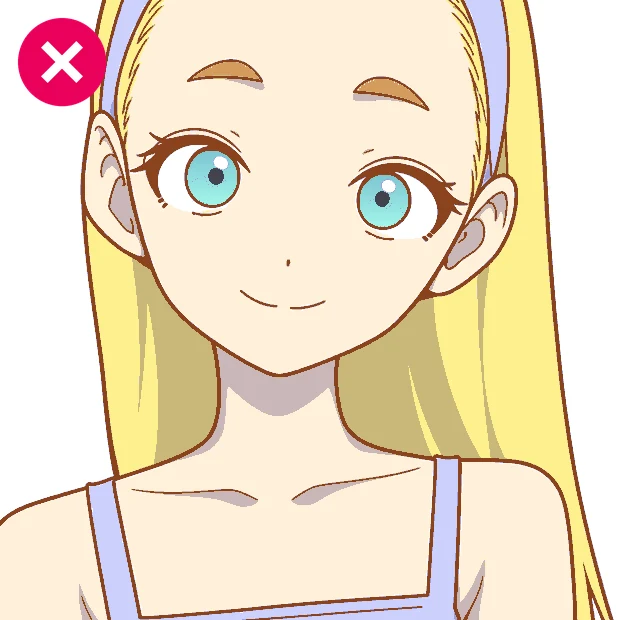
✕ Slightly cool on everything: dull hair, gray skin.

✓ Part by part: warm hair, pastel skin.
Where people usually get stuck
My shadows look dirty or gray. What's wrong?
Check whether one shadow color went on every part. Used that way, the colors trick the eye and the shadows go dull. Slightly cool on skin is the worst match, so switch the skin shadow to pastel and look again.
Do I have to use these exact RGB values?
No. They're a starting point. A color close to them is fine.
Do I still need a darker color for every part?
Not with this method. The Multiply layer does the darkening. Your job is deciding which of the three colors goes where.
Anime shadow color FAQ
What are all-purpose shadow colors in anime art?
They're three light shadow colors you paint on a Multiply layer: warm (R:217 G:168 B:177), pastel (R:254 G:200 B:219) and slightly cool (R:200 G:194 B:217). Multiply darkens whatever base color is underneath, so each one blends into almost any color. You still pick one per part instead of using a single color everywhere: warm on the hair, pastel on the skin, slightly cool on cool-colored parts.
What layer mode should I use for anime shadows?
Multiply. Put the shadows on their own layer above the flat colors and set it to Multiply. The shadow color then mixes with each base color instead of covering it.
Which shadow color works best on skin?
Pastel (R:254 G:200 B:219). Slightly cool shadows are a poor match for skin and tend to make it look gray, so save them for cool-colored parts like a lilac dress or bow.
How do I get feedback on my shading drawings?
When you join an Anime Art Academy course, a professional Japanese artist gives you personal advice and draws red-line corrections directly on your drawing. There is no limit on how many times you can submit. The only rule: post one drawing at a time, and wait for your teacher's reply before posting the next.